Psychic.Cards · A considered reading
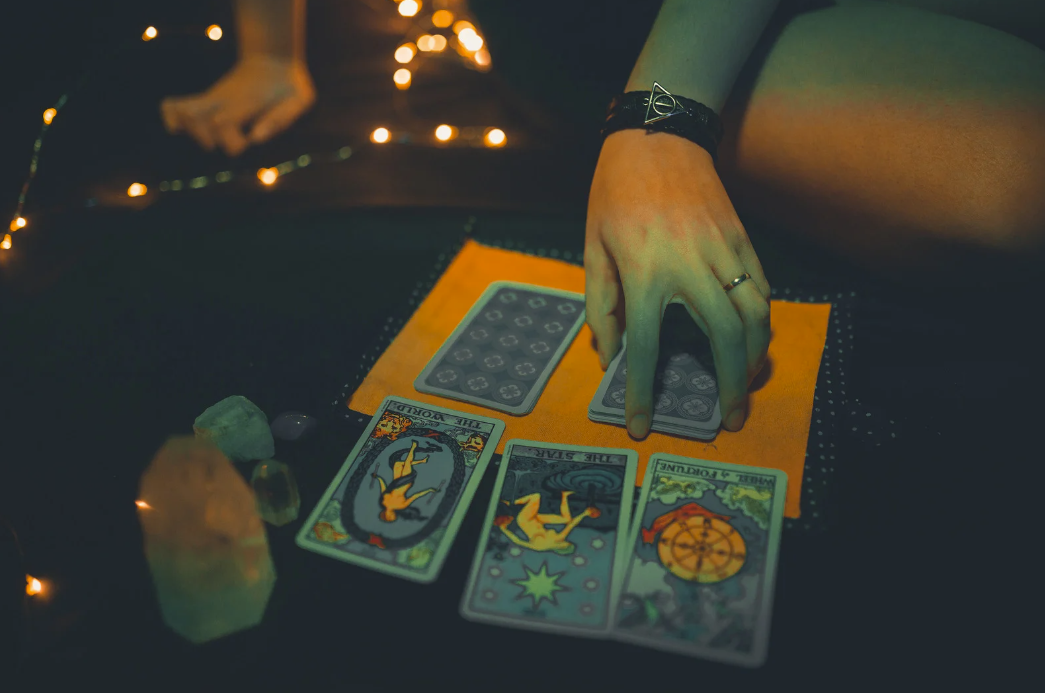
A spiritual tarot practice can be quiet and ordinary: a chosen intention, a few moments with an image and a response that brings the theme into daily life.
Build a practice that feels sincere to you
You might see the reading as intuitive guidance, prayerful reflection or a conversation with your own inner understanding. The practice does not need to resemble someone else’s ritual to feel meaningful.
Choose one recurring time that you genuinely enjoy and one question that leaves room for growth. Keep a record of images that return to your attention and actions they inspire. Over time, ask which parts of the practice nourish you and which feel like obligations. A personal tradition can remain rooted while changing as your interests and circumstances change.
Name your own framework
Decide whether you are using the cards for prayerful reflection, storytelling, journaling or study. If reading with someone else, explain that framework and ask whether they are comfortable with it. Do not impose your spiritual explanation on their experience.
Keep ritual simple and optional
A quiet space and a clear question can be enough. You do not need special purchases or an elaborate ceremony. If a practice comes from a specific culture or religion, learn its context rather than treating it as decoration.
Keep ordinary judgment available
Spiritual meaning does not override consent, evidence or qualified care. You may decline an interpretation, leave a question unanswered or choose not to read at all. A practice should support agency rather than demand obedience.
Put it into practice
- Write what the practice means to you.
- Choose one question about your values.
- End with an action you freely choose.
The article provides an insightful overview of how metaphysical shops have adapted to the growing demand for divination tools. It is interesting to see how these practices transcend specific religious beliefs.
The differentiation between oracle and tarot cards mentioned in the article is quite important. Understanding the nuances of various divination tools can enrich one’s spiritual journey.
It is intriguing how the tarot cards are not confined to a specific religion but are open to people from various spiritual backgrounds. This versatility likely contributes to their growing popularity.
The rise in interest for tarot and astrology during the pandemic is fascinating. It seems these practices offer a form of introspection and guidance that many people are seeking in uncertain times.
The skepticism around astrology and tarot in religious communities is an interesting point. It highlights the ongoing debate about the place of divination in spirituality and religion.