

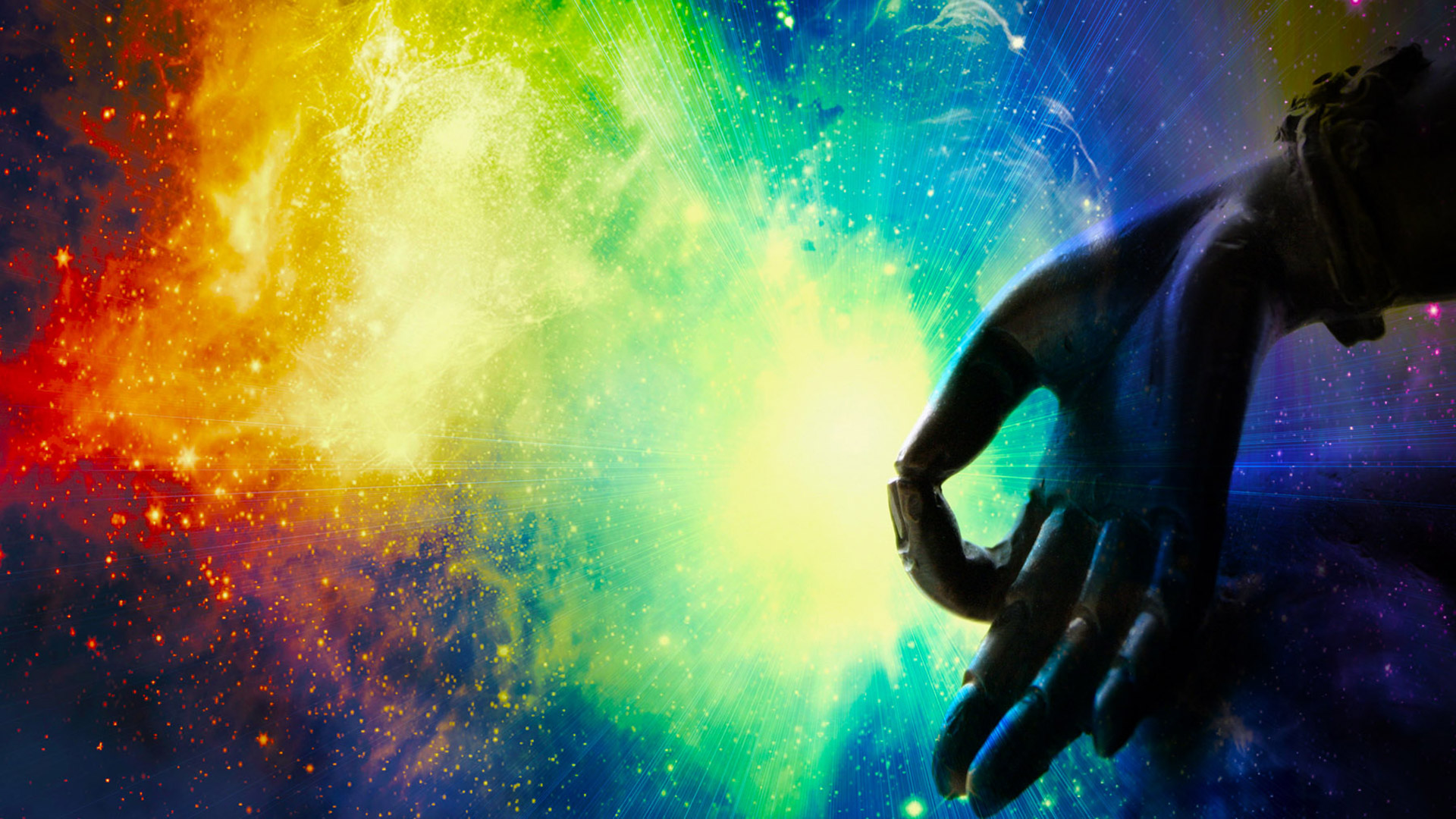
Psychic.Cards · Reflection with perspective
Chakras are spiritual concepts found in several South Asian traditions. They are not anatomical structures that can be medically tested, and “imbalances” should not be used to diagnose physical or mental illness.
Gentle practices you may choose
- Slow breathing for a few minutes
- Mindful movement or stretching within your ability
- Journaling about needs, values and boundaries
- Color or image meditation as a creative focus
- Prayer or reflection within your own tradition
Use accurate language
You may feel calmer or more focused after a ritual. That does not prove that energy was physically moved or that a condition was treated. Describe the experience as relaxation, reflection or personal meaning.
Health comes first
Persistent pain, fatigue, dizziness, anxiety, depression or other symptoms deserve qualified assessment. Do not stop medication or delay care to pursue chakra balancing. Spiritual practices can complement care when they are safe and personally meaningful; they should not replace it.
Choose teachers who respect consent, explain costs and never promise cures.
Name the experience accurately
After a color visualization or quiet reflection, record what you noticed without diagnosing yourself: “I felt more settled” is different from “I repaired a blocked organ.” Choose a comfortable practice, stop if it causes discomfort, and take persistent symptoms to an appropriate health professional.
For health support, see NIMH’s guidance on caring for your mental health. Tarot is not a clinical assessment.
I have reservations about the direct application of essential oils because of potential skin sensitivities. Perhaps more information on safe usage and alternatives for those with sensitive skin would be helpful.
Visualizing balance during meditation has been a useful practice for me. The way the article links this with chakras and their corresponding colors and frequencies adds an additional layer of depth to the technique.
The article concisely discusses various methods to balance chakras. I find color therapy and altering diets particularly interesting. However, I am curious about the scientific basis behind these practices and whether any studies support their efficacy.
Pixie Stick, that’s a valid point. There might be anecdotal evidence supporting these methods, but more rigorous scientific studies could provide more conclusive answers.
I agree with Pixie Stick. While the holistic approach can be quite appealing, empirical evidence would certainly make these methods more credible.
Incorporating foods with specific colors to balance chakras is an interesting concept. It would be great to see a more detailed guide on meal planning around this idea, as it might make the process easier to follow.
The suggestion to use musical notes to align chakras is fascinating. I have always enjoyed classical music, and this gives me a new perspective on how it might be beneficial beyond just relaxation.