Psychic.Cards · Reflection with perspective
Tarot can be part of a calming routine, much like journaling, art or meditation. It is not a treatment for trauma, depression, anxiety, chronic pain or other health conditions.
Choose an image that feels comfortable to stay with
Look for an image that feels welcoming and spend a few quiet moments describing it. You might appreciate its setting, color or sense of space. The practice is a reflective pause, not a treatment for anxiety or another condition.
Write one detail you enjoyed and one ordinary response it inspires, such as making your reading space more comfortable. Keep the session brief and stop if the reflection increases distress. Tarot can sit alongside trusted company and appropriate professional support, rather than become a reason to manage difficult feelings entirely alone.
A five-minute reflective practice
- Set a timer and take a few slow breaths.
- Ask, “What deserves my attention today?”
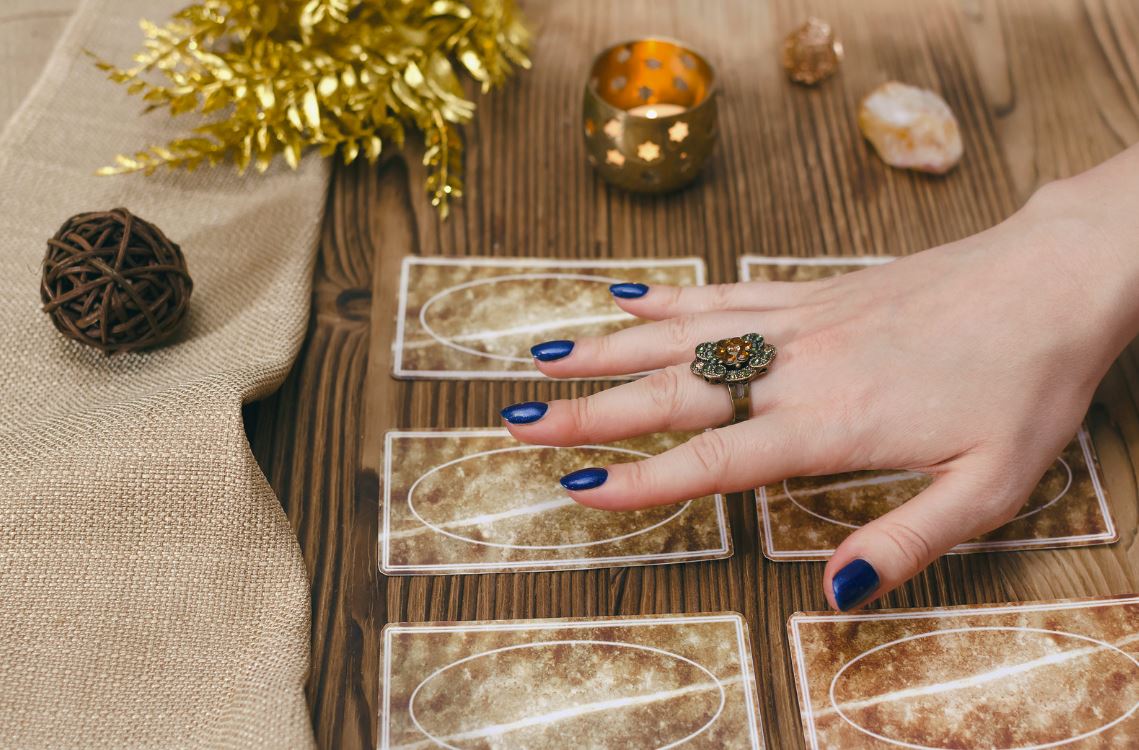
- Draw one card and describe it without predicting.
- Write one feeling, one fact and one manageable next step.
- Stop when the timer ends rather than repeatedly drawing for reassurance.
Know the limits
Feeling calmer after a ritual is real, but it does not prove that energy shifted or a condition healed. If symptoms persist or interfere with daily life, consult a qualified professional. The National Institute of Mental Health explains when to seek help.
Tarot can accompany care as a personal practice; it should not replace assessment, therapy, medication or emergency support.
Build a card-free alternative
Write the same three prompts on a note: What am I feeling? What do I know? What is one manageable step? Use that note when you do not want to draw. The routine can remain useful without making calm depend on a particular card appearing.
For health support, see NIMH’s guidance on caring for your mental health. Tarot is not a clinical assessment.
The emphasis on the Major Arcana and its specific uses is beneficial. It’s interesting to see how each card can be tied to various aspects of self-improvement and healing. This could be a useful technique for individuals focused on personal development.
I find the approach to using Tarot for meditation and healing quite compelling. The added suggestion to journal after each session makes a lot of sense, as it allows for deeper reflection and growth over time. The advice is practical and easy to follow.
The detailed steps provided for meditating with Tarot cards are quite insightful. I appreciate the specific card recommendations for different forms of healing. It seems like a practical guide for anyone looking to incorporate Tarot into their daily spiritual practice.
The article dispels common misconceptions about Tarot by illustrating its potential as a tool for self-awareness and healing. The structured approach to meditative practices with the cards could be very beneficial for those seeking to enhance their spiritual journey.
Breaking down the uses of individual Tarot cards for specific needs like spiritual help or relationship guidance provides a clear pathway for beginners. The method described seems both accessible and thoughtful, promoting a positive interaction with the cards.