

Card interpretation · A practical perspective
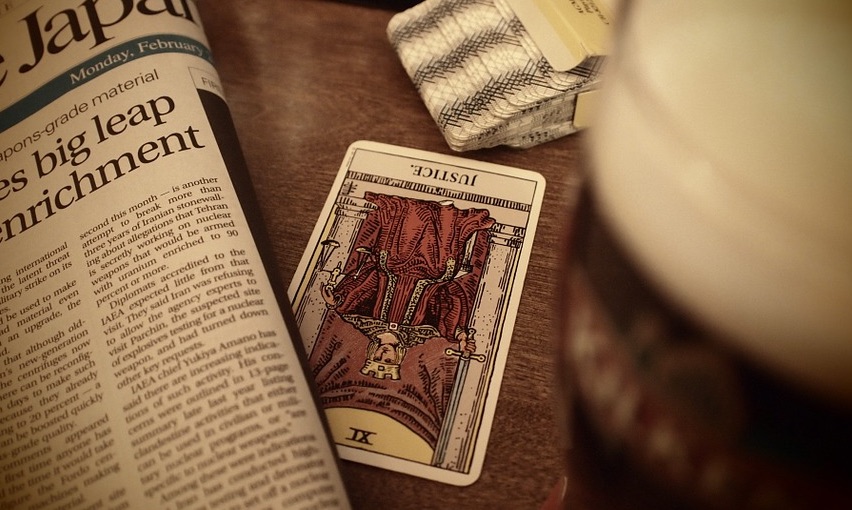
Reversed Justice can invite a review of fairness, evidence and responsibility. It cannot expose guilt, prove that someone lied or tell you the result of a legal dispute.
Do not turn a symbol into an accusation
The older habit of reading this card as proof of dishonesty is too strong. Start with what was agreed, what happened and what records exist. Allow for missing information and different perspectives.
Accountability without self-blame
You can acknowledge your own choices without accepting responsibility for someone else’s harmful behavior. A fair review distinguishes what you could influence from what you could not. Seek qualified advice for actual legal issues.
Put it into practice
- Write the agreement or expectation.
- Separate facts from interpretations.
- Identify the appropriate person or process for clarification.
Historical reference: A. E. Waite, The Pictorial Key to the Tarot. Practical suggestions are contemporary reflection prompts.
Revisit the process behind the decision
Reversed Justice can invite attention to an imbalance, an overlooked perspective or a conclusion made before the whole question was understood. This reading is about reviewing the process rather than declaring a person guilty or a legal outcome certain. Spiritual integrity can include the willingness to reconsider your own assumptions and make the reasons for a choice easier to see.
Ask whose perspective is missing
If a shared arrangement feels unfair, write the agreement as each person might understand it. What was explicit, and what was assumed? A conversation about the actual terms may reveal a repairable misunderstanding. The card can support accountability without turning the reading into a verdict about someone else’s character.
The detailed interpretation of the Justice Tarot card, especially in its reversed position, is intriguing. It offers a broad spectrum of considerations for both personal introspection and external actions. The emphasis on balance and responsibility resonates well with the universal theme of accountability.
The commentary on the need for moderation and balance in life as highlighted by the reversed Justice card is quite profound. It serves as a crucial reminder of how important it is to strive for equilibrium in all areas to achieve long-term success and happiness.
I appreciate the comprehensive nature of this interpretation. The connection between the reversed Justice card and various aspects of life, such as patience during hardship and reevaluating relationships, provides a multifaceted view that can be quite enlightening.
The article does a thorough job describing the attributes and implications of the Justice Tarot card. It’s particularly compelling how it ties the need for self-awareness and honesty to the broader concept of justice. This can be a powerful tool for personal growth.
It is interesting to see how the reversed Justice card can reflect various life situations, from financial caution to relationship dynamics. This kind of insight can be very valuable for someone looking to understand their current challenges and navigate through them.