
Card interpretation · A practical perspective
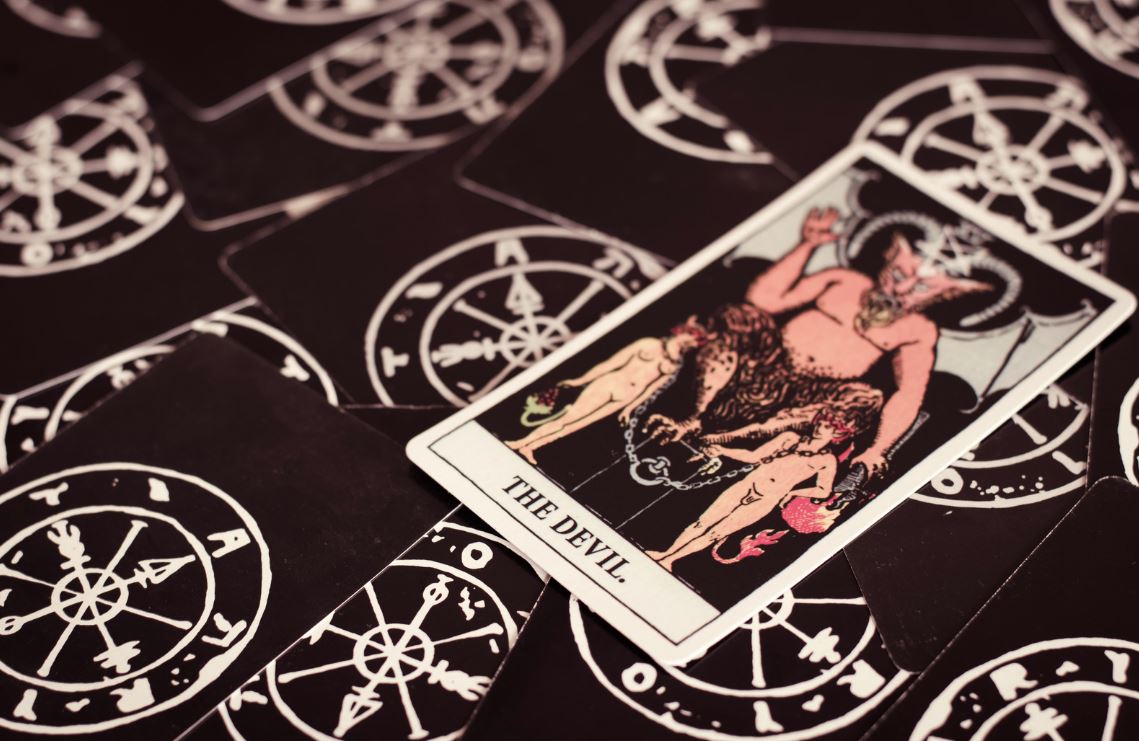
You do not need to fear the Devil card as evidence of a curse, possession or inevitable harm. Religious imagery can evoke strong reactions, but an image in a deck is not a diagnosis of your situation.
Fear is not a sales opportunity
Be cautious if a reader says you must pay for protection, cleansing or curse removal after drawing this card. You are free to stop the session. A responsible reading should explain uncertainty and respect your choices.
Avoid blaming people for constraints
People can face coercion, poverty or other barriers that are not chosen. The card is more useful as a prompt to identify support and options than as a claim that someone allowed bad things to happen.
Put it into practice
- Pause if the reading makes you afraid.
- Return to facts you can observe.
- Seek trusted support rather than paying for a promised supernatural remedy.
Historical reference: A. E. Waite, The Pictorial Key to the Tarot. Practical suggestions are contemporary reflection prompts.
Approach the Devil’s image with curiosity rather than dread
The Devil’s dramatic artwork can feel unsettling, especially in an early reading. Start by describing what you actually see and asking which part connects with your question. In many contemporary readings, the image opens themes of attachment, temptation and the wish to regain choice. You can explore those themes spiritually without interpreting the card as a supernatural threat.
Keep the reading connected to a recognizable pattern
Ask whether a habit has become less enjoyable because it no longer feels chosen. The question may concern a crowded routine, comparison with others or a purchase made from pressure. Choose one small boundary that brings choice back into view. If the image itself makes you uncomfortable, use a different deck or set it aside.
The notion that the Devil Card symbolizes trickery and self-deception rather than direct malevolence is compelling. It offers a more nuanced and less fear-based understanding.
I appreciate the reminder to consider our own vulnerabilities and the influence of others when interpreting the Devil Card. This perspective emphasizes personal accountability and critical thinking.
The advice to take a step back and view situations from a broader perspective is valuable. It’s a good reminder to stay vigilant and not be swayed by initial appearances or charming deceptions.
The analysis of the Devil Card as a representation of trickery rather than inherent evil is quite insightful. It challenges the traditional perception and encourages a more introspective approach to its interpretation.
This article makes a compelling case for re-evaluating our assumptions about negative symbols in the Tarot. It encourages a more thoughtful and deliberate approach to life’s challenges.