Psychic.Cards · A considered reading
Card-reading labels describe broad families rather than one identical practice.
Compare the method as well as the imagery
Tarot, oracle, angel and playing-card systems may use different structures, meanings and layouts. Ask which particular deck and tradition are involved. That detail helps you understand what a reader is explaining and how to learn the method yourself.
Choose one format to study through a sample reading. Note how cards are selected, what positions mean and how interpretations are connected. Keep a second format on a separate journal page if you later compare it. Respecting each system’s conventions makes the differences interesting instead of confusing.
Tarot and ordinary playing cards
Standard tarot has 78 cards with Major and Minor Arcana. Ordinary playing-card cartomancy typically uses a 52-card deck, sometimes with jokers by agreement. Meanings are not perfectly interchangeable.
Oracle and angel cards
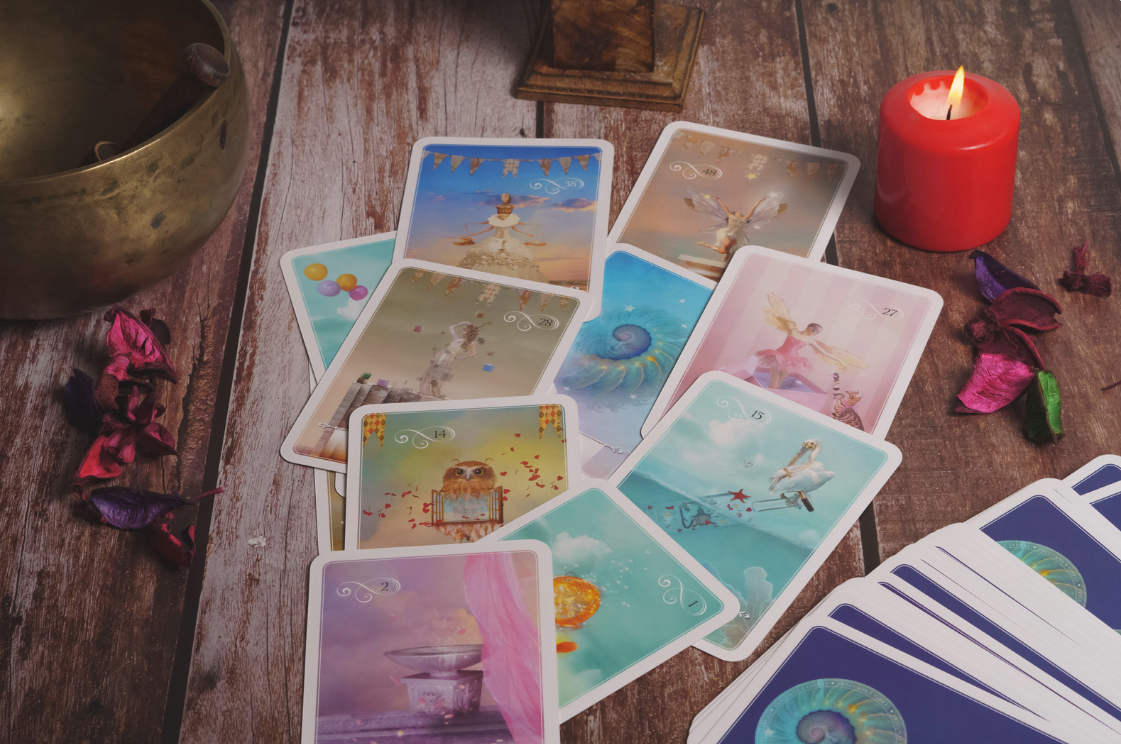
Oracle decks follow a creator’s own structure. Angel cards are commonly an oracle theme rather than a separate standardized system. Some decks include direct text; others rely more on imagery or a guidebook.
Ask about the method and its limits
A label does not tell you the full cost, how information is handled or whether a reader makes unsupported claims. All these tools can prompt reflection; none can verify another person’s hidden intentions or replace professional advice.
Put it into practice
- Identify the deck and guide being used.
- Ask how positions and meanings are chosen.
- Agree on a topic and stop point before the reading.
The article provides a clear overview of the three types of cards: angel, oracle, and tarot. It’s useful for anyone interested in exploring card readings for guidance or spiritual growth.
The breakdown of the different functionalities of each card type is very informative. Understanding the unique features of angel, oracle, and tarot cards can help users make a more informed decision.
It’s interesting to see how each type of card serves different purposes. The explanation about how angel cards help with life-changing events and spirituality was particularly enlightening.
The distinctions between tarot, oracle, and angel cards are well-presented. The information could help someone decide which type of card to choose based on their specific needs.
I appreciate the historical aspect mentioned in the article about the long-standing use of cards in various cultures. It’s fascinating how these tools have evolved yet remain relevant.