Psychic.Cards · A considered reading
Learning tarot’s history can deepen appreciation for the cards without deciding what your own practice must mean.
Keep historical use and personal practice in conversation
Card games, artistic choices and later interpretive traditions contribute different parts of the story. Keep a historical account separate from a spiritual interpretation, so both can be explored clearly.
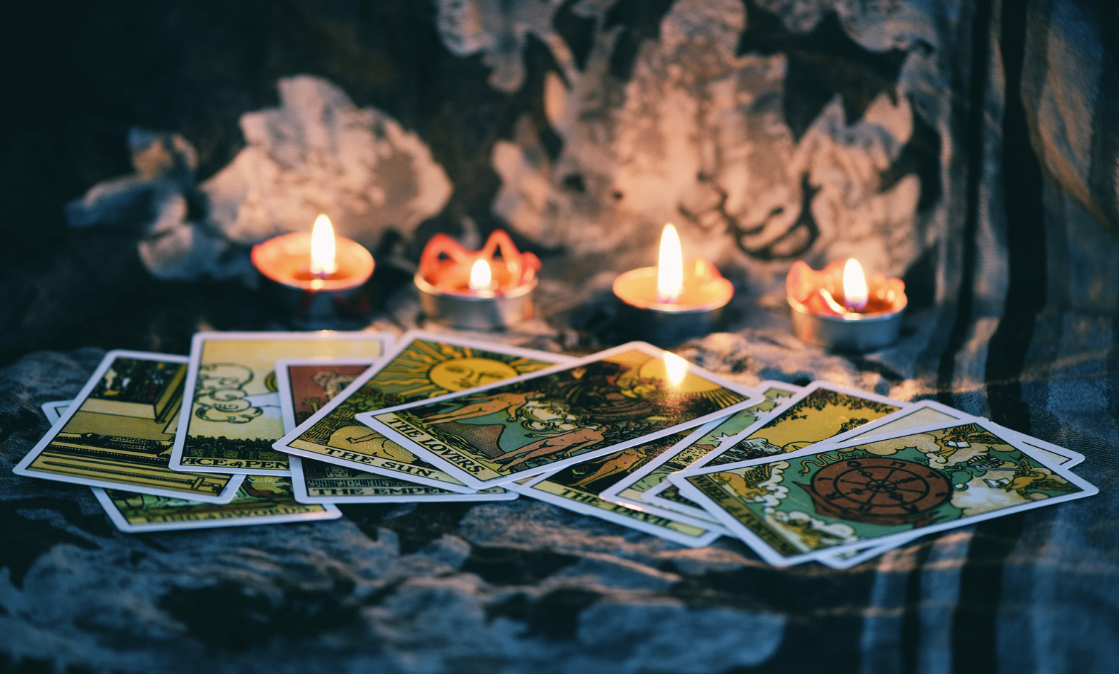
When you encounter a striking claim about origins, note the source and what evidence it offers. Compare a historical card image with a modern version and describe the changes you can actually see. The visual comparison can be enjoyable even when the history is uncertain. Curiosity about the past need not diminish the meaning you find in a reading today.
Cards before fortune-telling
The Metropolitan Museum of Art describes early tarot references in fifteenth-century Italian cities. The game combined suit cards with a sequence of trumps and a Fool. Surviving luxury decks show how patrons, artists and local traditions shaped the images.
A changing set of uses
The same museum account distinguishes the early game from the occult and fortune-telling associations that developed later. A modern symbolic interpretation should not automatically be attributed to the makers of the earliest decks.
Study a deck in its own context
Ask who created the cards, when they were made and what sources describe their intended use. Images can be reinterpreted over time without every interpretation becoming an ancient secret. Historical interest also does not establish that cards predict events; that is a separate claim requiring separate evidence.
Put it into practice
- Choose one deck with an identified creator and date.
- Compare one image with a different historical deck.
- Label what is documented and what is your own interpretation.
Historical reference: The Metropolitan Museum of Art’s account of early tarot.
The emphasis on the importance of connecting with the illustrations when selecting a deck is noteworthy. It highlights the personal and subjective nature of Tarot readings, which can significantly enhance the experience.
The detail about the different types of Arcana cards and the structure of the standard deck was enlightening. It provides a clear understanding for anyone new to Tarot and interested in exploring it further.
It’s interesting how Tarot cards have transformed over the centuries yet maintained their allure. Whether for divination or for their artistic value, their ability to captivate people’s interest speaks to their enduring charm.
The recommendation to handle multiple decks in a physical store to find one that resonates with you is practical advice. It underscores the idea that personal intuition plays a crucial role in the selection process.
It is fascinating to learn about the historical evolution of Tarot cards from a mere game to a divination tool. The variation in decks from different cultures adds a layer of richness and diversity to the practice.