Psychic.Cards · A considered reading
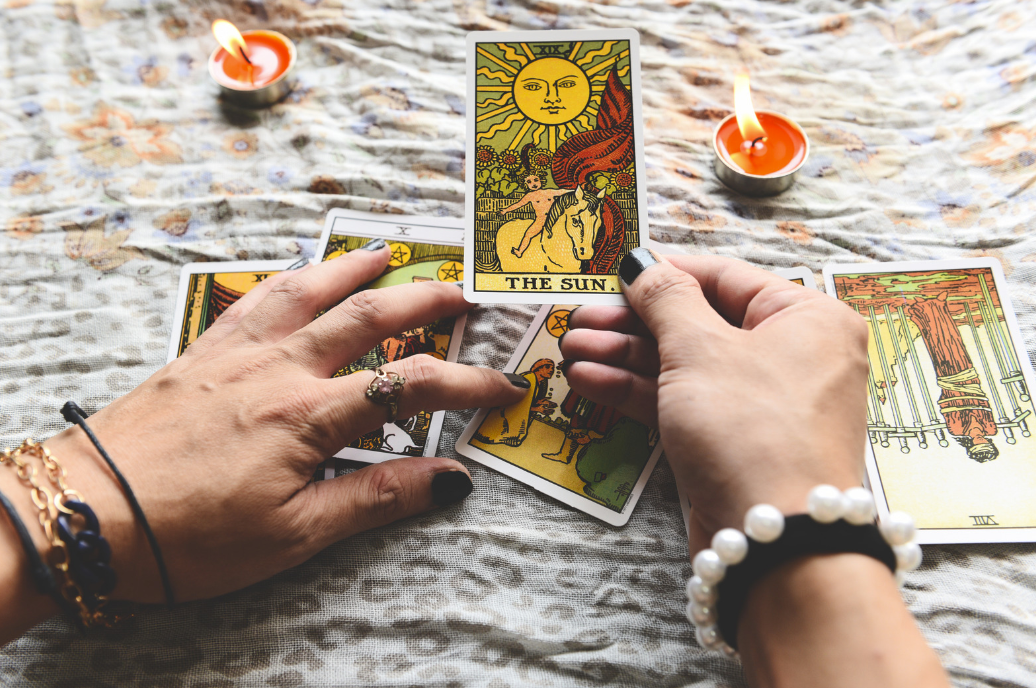
When your attention feels crowded, a small tarot check-in may be more comfortable than a large spread.
Choose a question that reduces the pressure to solve everything
Ask what would make the next hour gentler or which task deserves your attention first. Choose one card and allow its image to suggest a manageable response. You are not required to find a complete explanation for how you feel before giving yourself care.
Keep the reading brief and put the deck away after choosing one practical step. That might be preparing a comfortable space, asking someone for help or taking a suitable break from a demanding task. If tarot increases worry or becomes a cycle of reassurance-seeking, pause it. Persistent or serious distress needs appropriate human and professional support.
Name the demand before drawing
Write what is happening in concrete terms: too many deadlines, an unresolved conversation or uncertainty about a decision. A card such as Nine of Swords does not establish insomnia, anxiety or depression.
Use three practical questions
What needs attention? What support is available? What is one manageable step? Let the images generate possibilities, then choose using real information. The answer may be rest, a conversation or seeking help—not another card.
Use a stopping rule
Limit the exercise to a few minutes and one draw. If it increases fear or repeated checking, put it aside. Severe, persistent or worsening distress deserves qualified attention; a reading should never delay care.
Put it into practice
- Write one demand.
- Identify one realistic support.
- Choose a small next step and end the session.
Health guidance: NIMH: Caring for Your Mental Health.
The article provides a well-organized approach to using tarot for stress relief. Each card is thoughtfully explained, offering specific actions and reflections. The emphasis on balance and focusing on the present moment aligns well with contemporary mindfulness practices.
The explanation of using tarot cards to handle stress is comprehensive and thoughtful. Each card’s intended purpose is clearly articulated, providing both metaphysical and practical advice. The suggestion to focus on the present is a valuable reminder in today’s fast-paced world.
The method of laying out tarot cards to address stress is clearly detailed. The connection between each card’s meaning and actionable steps makes the technique accessible. It’s interesting to see how ancient practices are adapted for modern stress management.
The way tarot cards are used to alleviate stress is intriguing. The breakdown of each card’s purpose offers a structured method for self-reflection. Incorporating activities like yoga and connecting with friends adds practical steps to the metaphysical guidance.
The integration of tarot as a tool for stress relief is a fascinating concept. The detailed explanation of each card’s role provides clarity and actionable insights. Balancing metaphysical guidance with practical activities like relaxation techniques adds value to the practice.