

Psychic.Cards · A considered reading
The Fool can remind you of the pleasure of approaching something without needing to be skilled already.
Make the first step an invitation rather than a test
This article focuses on the beginner’s experience: choose a manageable setting, stay curious and let the first attempt supply information. A modest start can hold plenty of spiritual meaning.
For a new reading practice, draw one card and notice the detail that most interests you. Write one question about it before consulting the guidebook. You do not need to interpret the whole deck immediately. Preparation and openness can support one another, leaving room to reconsider as you learn.
Hold freedom and risk together
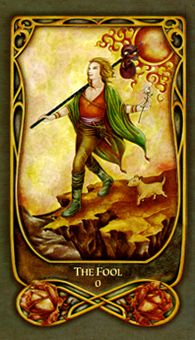
The Rider–Waite–Smith figure travels lightly near a precipice with a small dog beside him. The scene allows more than one reading: enthusiasm, inexperience, a warning, companionship or attention turned away from the ground. You do not have to choose a wholly positive or negative verdict.
Make the beginning small
A trial lesson, a first draft or an introductory conversation can test an interest without requiring an irreversible commitment. Ask what preparation would support curiosity. Keeping a budget, checking facts or hearing a concern does not spoil the adventure.
A card is not a personality label
Drawing the Fool does not make someone foolish, unreliable or destined for greatness. In a reversed position, you might consider hesitation or impulsiveness, but the real situation determines which question is relevant. Avoid inventing a problem solely to fit the card.
Put it into practice
- Name the new experience you are considering.
- Choose the smallest useful test.
- Write one risk to check and one boundary to keep.
Image tradition: Waite’s Fool description.
The discussion about The Fool in various positions within a Tarot spread—past, present, and future—provides a comprehensive understanding of its dynamic nature. Its multifaceted implications make it a highly versatile card in readings.
The combination of The Fool with other Tarot cards, like The Magician or The Devil, and their resultant effects creates a rich tapestry of possible outcomes. This card’s interaction with others significantly influences its interpretation, emphasizing the importance of context in Tarot readings.
The Fool being labeled as ‘The Idiot’ in some translations is quite thought-provoking. It suggests a cultural and historical variance in interpretations that might affect how one engages with this card during a Tarot reading.
The depiction of The Fool card is quite intriguing. The idea of unlimited potential and the symbolism of the sun rising behind him underscore the significance of beginnings. The dual interpretation, both as a starting and an ending point, adds depth to its meaning.
The characterization of The Fool’s journey through life, guided by a small dog and the representation of purity through the white rose, is compelling. It’s a fascinating blend of innocence and unpreparedness that mirrors many real-life adventures.