
Psychic.Cards · A considered reading
A deck can be beautiful yet difficult for you to read, or visually simple yet full of associations that feel natural.
Match the artwork with the way you interpret
Look at several numbered cards as well as the Major Arcana. Ask whether scenes, symbols, colors or written prompts help you connect a theme with a question. Your response reveals something about your learning style.
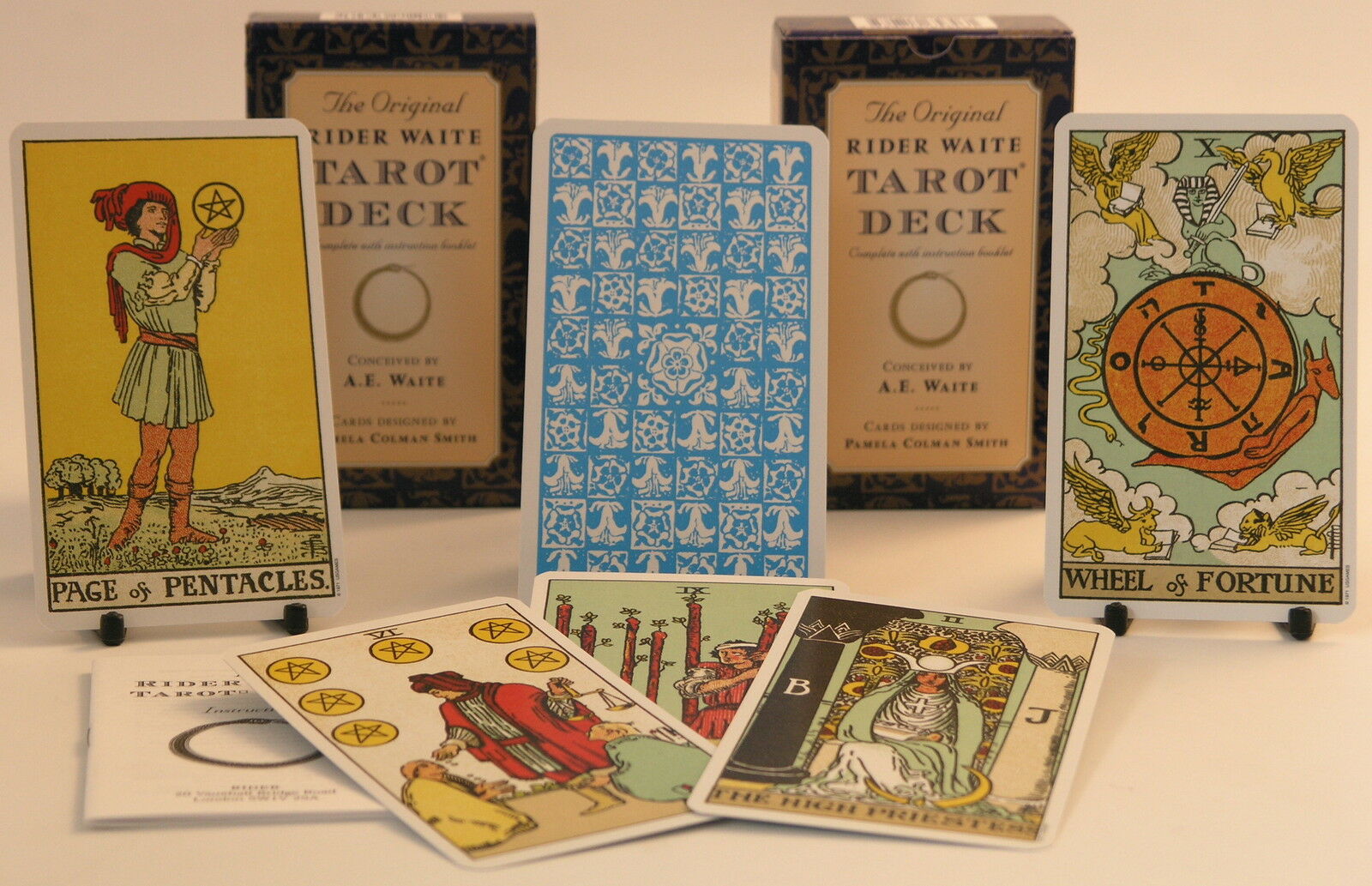
Compare the same card in two decks and describe what each version makes you notice. Then read the guidebook entries and check whether their explanations deepen your interest. Choose the deck that supports the kind of practice you want now. A different artistic or symbolic system can become a later study project rather than a problem to master at once.
Understand the system first
Rider–Waite–Smith, Marseille and Thoth traditions differ in imagery, titles and conventions. Many modern decks adapt one of them; others develop their own approach. Read the creator’s description instead of assuming a familiar card name guarantees the same meaning.
Decide how you want to learn
Detailed scenes can support storytelling; repeated suit symbols can encourage attention to number and arrangement. Neither approach proves psychic ability. Choose whether you prefer a close guidebook companion, visual exploration or a more historical study.
Make a realistic comparison
Compare one Major card, one numbered card and one court card from each candidate. Check readability and handling as well as aesthetic appeal. You do not need several decks to begin, and you can change your preference after gaining experience.
Put it into practice
- Choose a learning goal.
- Compare the same three cards across two decks.
- Check the instructions and total cost before deciding.
The advice against asking yes/no questions or questions about death and health is very insightful. It seems crucial to frame questions in a way that the tarot can offer meaningful guidance, rather than seeking definite answers.
I found the section on reading the cards particularly helpful. It’s good to know that the process involves patience and practice, and that there’s no need to be overwhelmed by the number of cards initially.
This article provides a thorough overview of the different types of tarot decks and their historical significance. I appreciate the detailed explanations and the guidance on how to choose a deck that resonates with one’s intuition.
Choosing a tarot deck seems like a highly personal journey. The emphasis on following one’s intuition and connecting with the imagery really stood out to me. This is very informative for anyone interested in starting with tarot readings.
The breakdown of different tarot deck styles like Tarot of Marseilles, Inspiration decks, and Thoth Tarot is quite useful. It helps to understand which decks might be more suitable depending on one’s experience level.