Psychic.Cards · Reflection with perspective
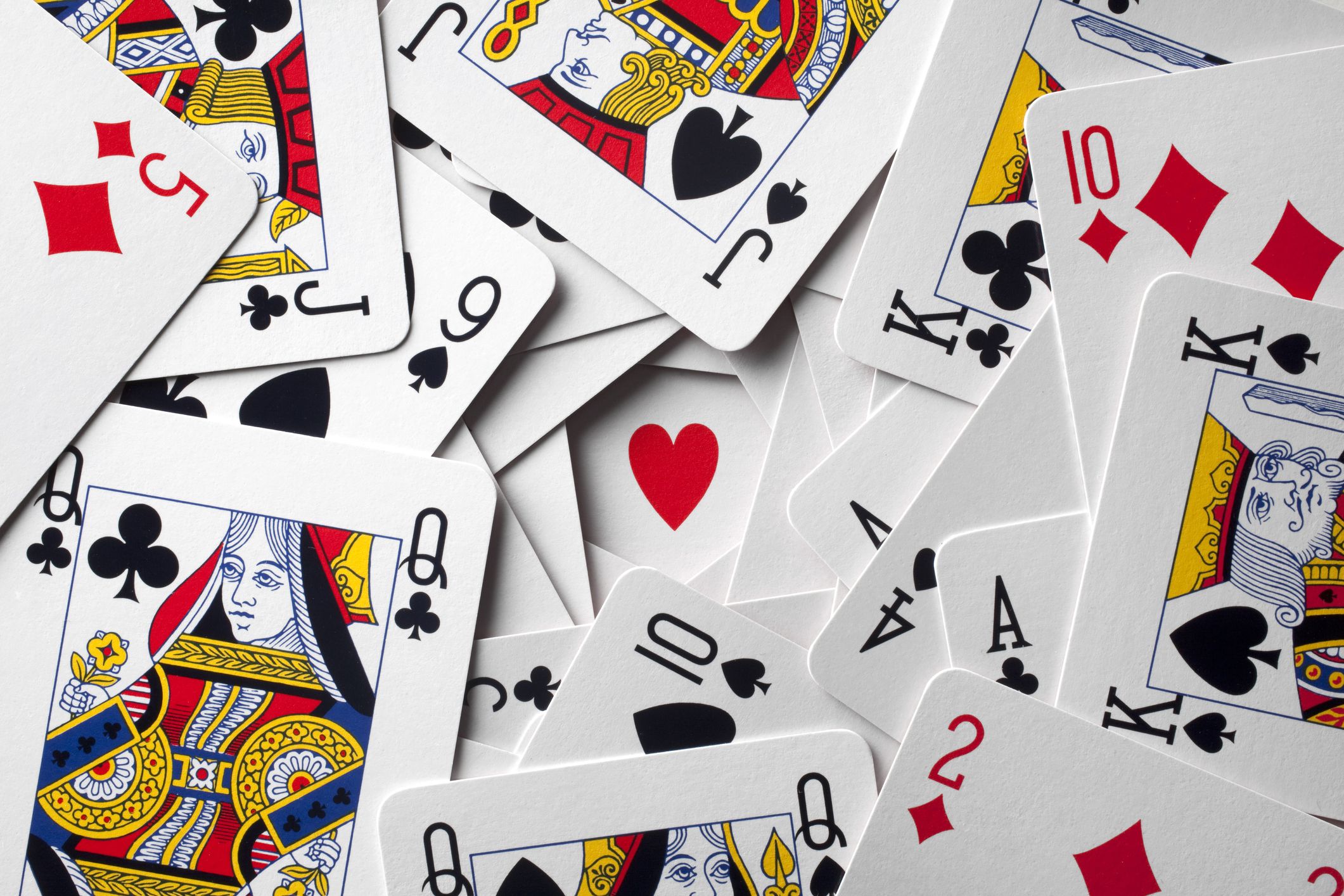
Cartomancy is the practice of interpreting ordinary playing cards. It is related to other card-reading traditions, but it does not provide verified information about future events. Today, many people use it as a creative or reflective exercise.
Build a reading from the chosen positions
Decide what the positions mean before drawing: the main theme, an influence and a response you can consider. Read each card through your chosen playing-card system, then ask how the three positions speak to one another. This keeps the reading coherent even when a card has several possible associations.
For a question about learning a skill, the influence position might help you consider time, encouragement or a difficulty to prepare for. Turn that interpretation into a question you can answer through practice. Keep the spread in your journal alongside the system you used, so a later review does not silently substitute a different convention.
Cartomancy and tarot are different systems
A standard playing-card deck normally has 52 cards in four suits. A tarot deck usually has 78 cards: 22 Major Arcana and 56 Minor Arcana. Because the structures differ, meanings are not perfectly interchangeable.
Common modern associations include:
- Hearts: feelings, relationships and connection
- Diamonds: resources, work and practical concerns
- Clubs: effort, creativity and action
- Spades: thought, conflict and difficult decisions
These are conventions, not facts. A reader may use a different system, so ask how meanings are chosen.
A simple three-card method
- Write one open question, such as “What deserves my attention in this situation?”
- Shuffle and draw three cards for context, tension and next step.
- Describe what each image or association brings to mind before consulting a guidebook.
- Write one practical action that remains within your control.
Healthy boundaries for a reading
Do not use cartomancy to diagnose illness, determine whether someone is secretly unfaithful, identify a criminal, or replace legal or financial advice. Avoid repeatedly drawing until you get the answer you want; that can turn reflection into reassurance-seeking.
You do not need special rules about who may touch a deck unless those rituals are personally meaningful to you. A deck does not retain a measurable “aura,” and shuffling it does not create evidence about the future.
What makes a useful session?
A useful session leaves you with clearer questions, not certainty that cannot be checked. Compare any interpretation with direct evidence, your values and the perspectives of people affected by the decision.
An example without a forecast
Suppose a diamond appears in the “next step” position for a work question. Rather than predicting money, use it to ask what resource is missing: time, training, equipment or clear information. List two possibilities, then verify which one actually limits the project.
This article makes a good point about cartomancy being more approachable for beginners. The simplicity of using a regular deck and the flexibility in interpretation can be less intimidating compared to the more complex tarot readings.
It’s intriguing to consider the beliefs surrounding the use and care of the cards in cartomancy. The idea that the aura of the cards needs to be protected is something I’d like to explore further.
Yes, the protective aspect of card handling is quite unique. It adds a layer of ritualistic practice to cartomancy that might be a significant part of its appeal.
I agree, Amy. The notion of not letting others touch your cards to maintain their spiritual integrity adds a personalized and perhaps more disciplined element to the practice.
I appreciate the detailed explanation of the differences between tarot cards and cartomancy. Knowing that tarot cards have Major Arcana cards while a regular deck does not is particularly useful information for those new to these practices.
The article provides a clear distinction between cartomancy and tarot card reading. It’s interesting to note that cartomancy uses a regular deck of cards, which might make it more accessible for beginners.
The historical context given about cartomancy and its similarities to tarot card reading is quite insightful. It’s fascinating how different cultures have adopted card reading practices for divination.